

What to Wear in Denali
Gear varies by tour type. Here’s exactly what to bring, and what to leave at the hotel.
Denali’s weather does its own thing. A warm morning in July can turn cold by early afternoon. A sunny start on the Denali Highway can give way to rain within an hour. This is not a complaint; it is part of what makes the place feel real. But it does mean arriving dressed for one scenario and ignoring the rest is a mistake most guests only make once.
The good news: getting it right is not complicated. Layers, rain protection, and the right footwear for your specific activity cover nearly every situation. This guide breaks it down by tour type so you know exactly what to bring for the day you have planned.
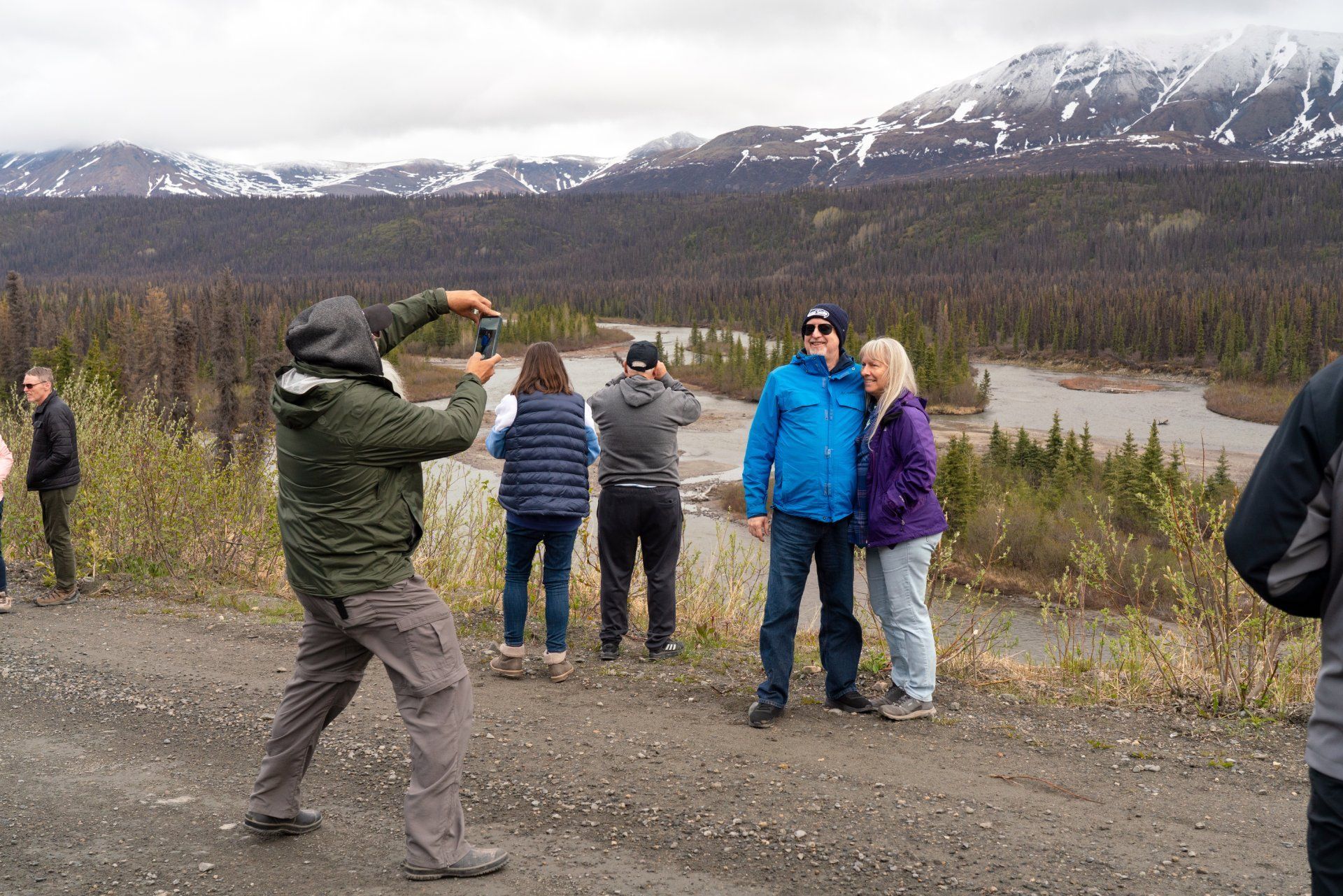

The baseline for any Denali activity, any month:
- Moisture-wicking base layer (not cotton; cotton holds moisture and gets cold fast)
- Warm mid-layer (fleece or light insulating jacket)
- Waterproof outer layer (shell jacket or rain jacket)
- Sturdy closed-toe shoes or hiking boots (sandals and flip-flops are not appropriate for any guided tour)
- Sunglasses
- Sunscreen (Alaska’s sun is real, especially at altitude or on snow)
Everything else below builds on this baseline.
2.25 Hours
Ages 2+
Ages 2+
Gear Guide by Tour Type
ATV Tours
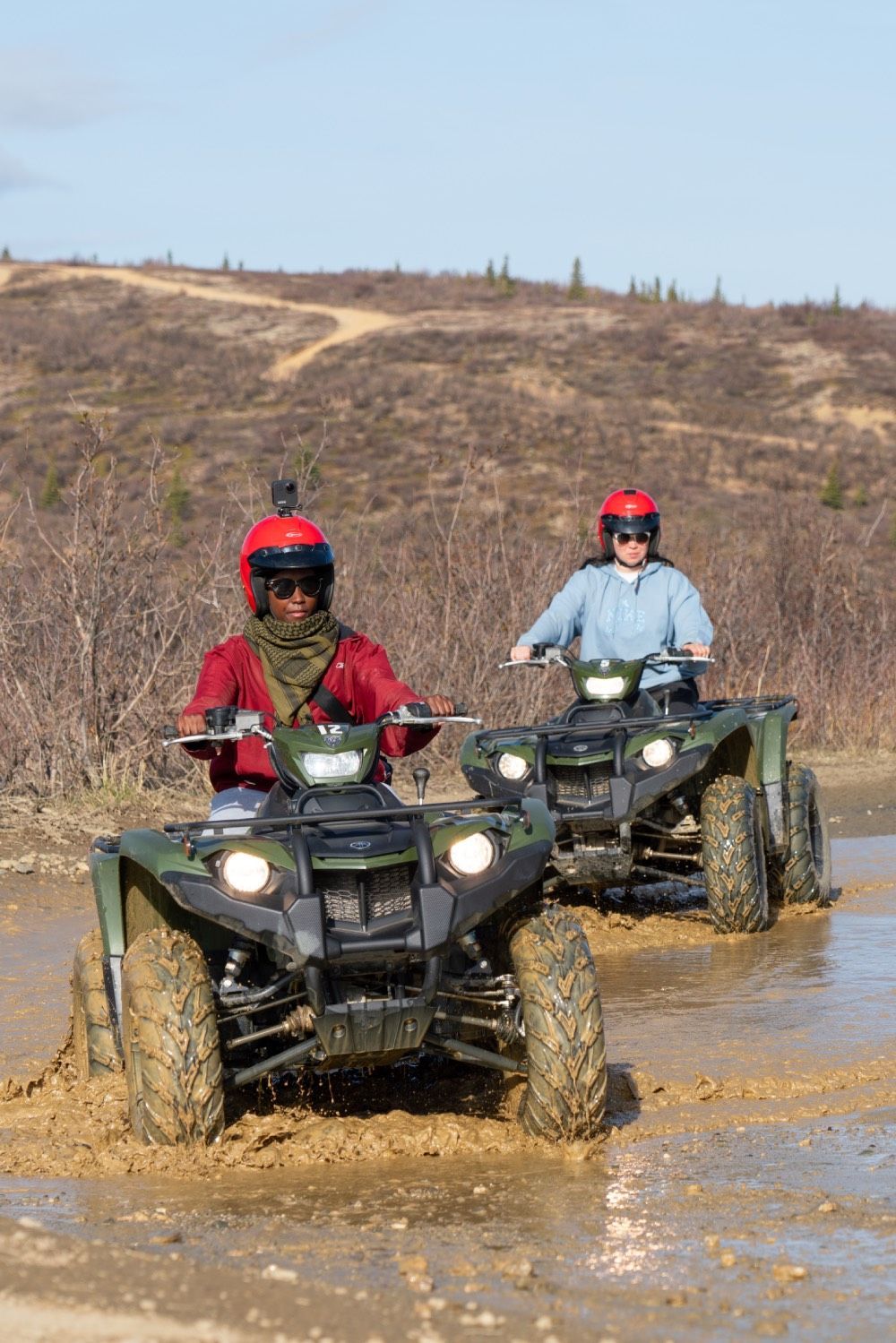
ATV trails in the Denali area run through creek beds, gravel, mud, and boreal forest. Expect dust on dry days and mud splatter on wetter ones. Vehicles behind the lead ATV get kicked with trail debris; it’s part of the experience, not a sign anything went wrong.
WHAT TO WEAR
- Long pants (not shorts; trail debris and brush)
- Long-sleeved shirt or light layer on top
- Waterproof outer jacket or shell (dust and trail spray)
- Closed-toe shoes or hiking boots with grip (sneakers work; open-toe does not)
- Light gloves for grip and dust on the trail (not winter weight)
- Neck gaiter or buff (optional but useful behind the lead vehicle in dry conditions)
- Secure your sunglasses or wear a strap
What to leave behind: Anything you’d mind getting dirty. Loose scarves, jewelry that can catch on equipment, and open-toe shoes or sandals. Guides will advise at the safety briefing, but arriving already dressed correctly makes the start smoother.
Zipline Tours
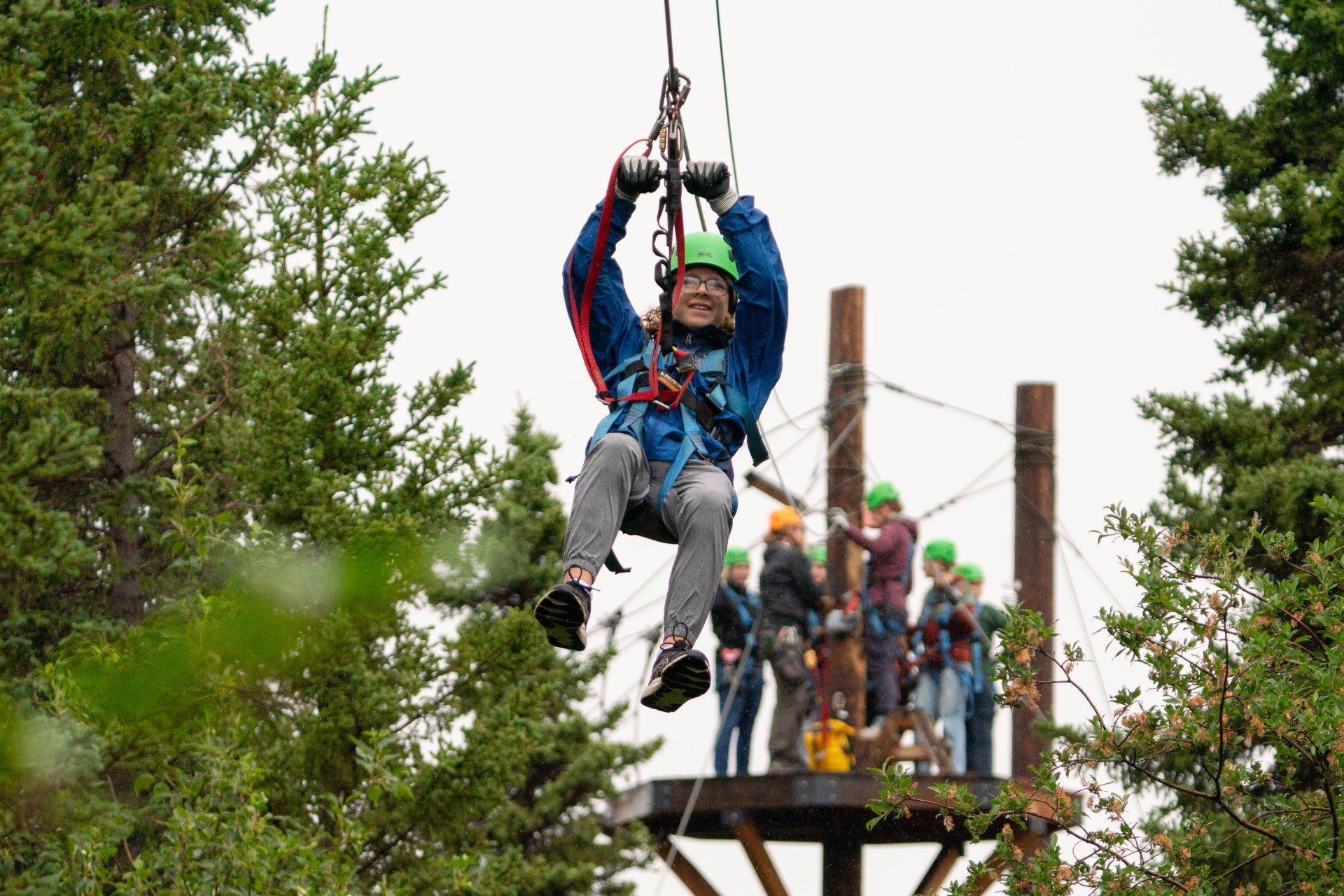
The zipline course runs through boreal forest canopy. Guests walk between platforms on elevated sky bridges and zip across canopy gaps. The course involves movement on uneven terrain; nothing strenuous, but steady footing matters.
WHAT TO WEAR
- Comfortable athletic or outdoor clothing you can move in
- Closed-toe athletic shoes or hiking shoes with a firm sole (slip-on shoes are not suitable)
- Secure layers; anything loose or dangling can catch on equipment
- Light jacket or fleece (the canopy is cooler than open ground; wind on the zips)
- Tie back long hair before the safety briefing (guides will remind you, but arriving ready saves time)
- Leave behind: large earrings, loose necklaces, open-toe shoes, backpacks that aren’t tour-issued
Note on harness fit: The zipline uses a full-body harness. Participants must weigh at least 70 lbs and no more than 280 lbs to join the tour. Guests with mobility concerns about putting on or adjusting a harness should mention this at check-in; guides are practiced at helping.
Flightseeing Tours
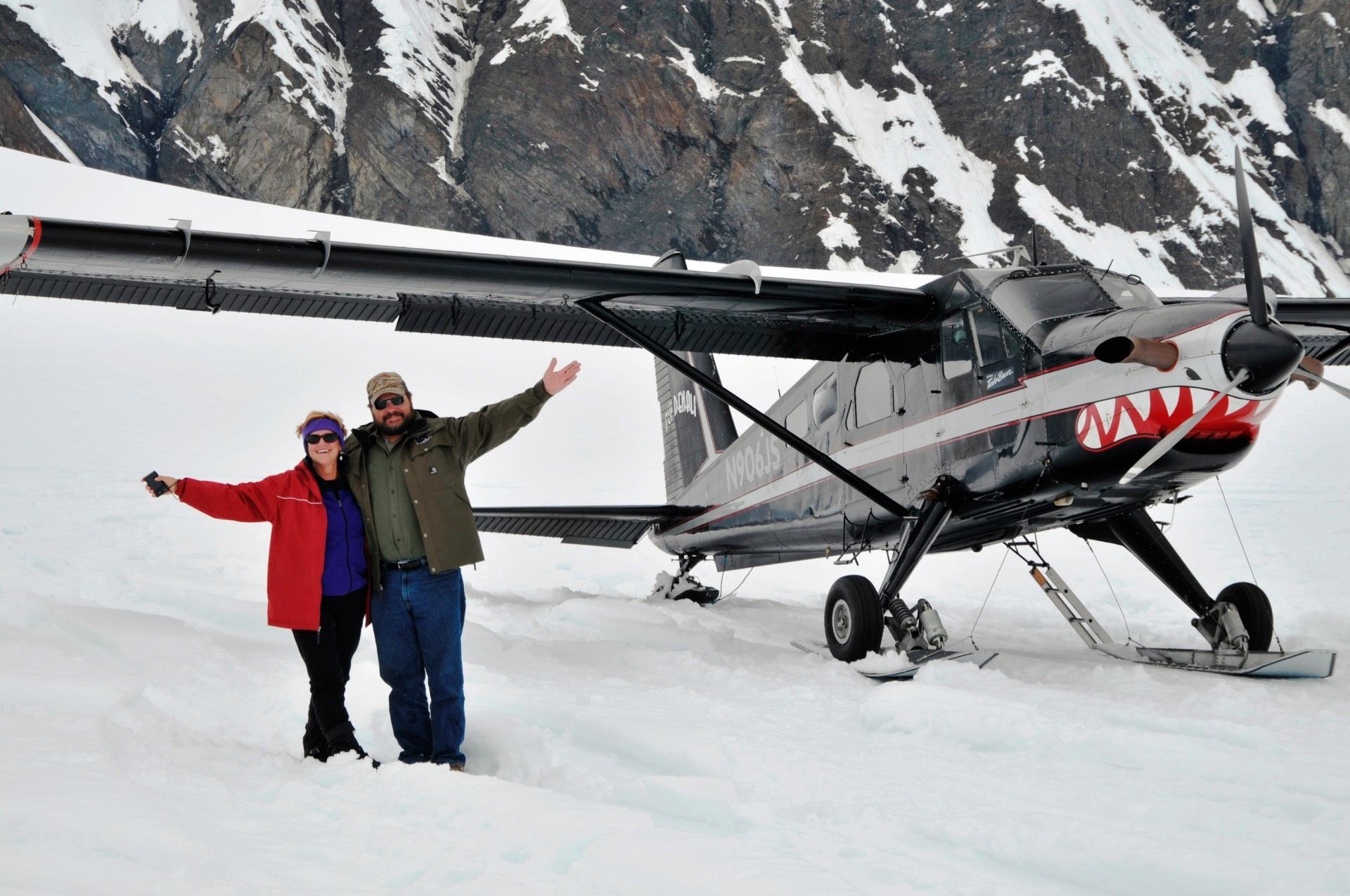
Flightseeing tours depart from Healy River Airport. Fixed-wing and helicopter cabins are climate-controlled to a degree, but altitude, glacier environments, and open cockpit conditions can make them significantly cooler than the ground temperature at departure.
WHAT TO WEAR
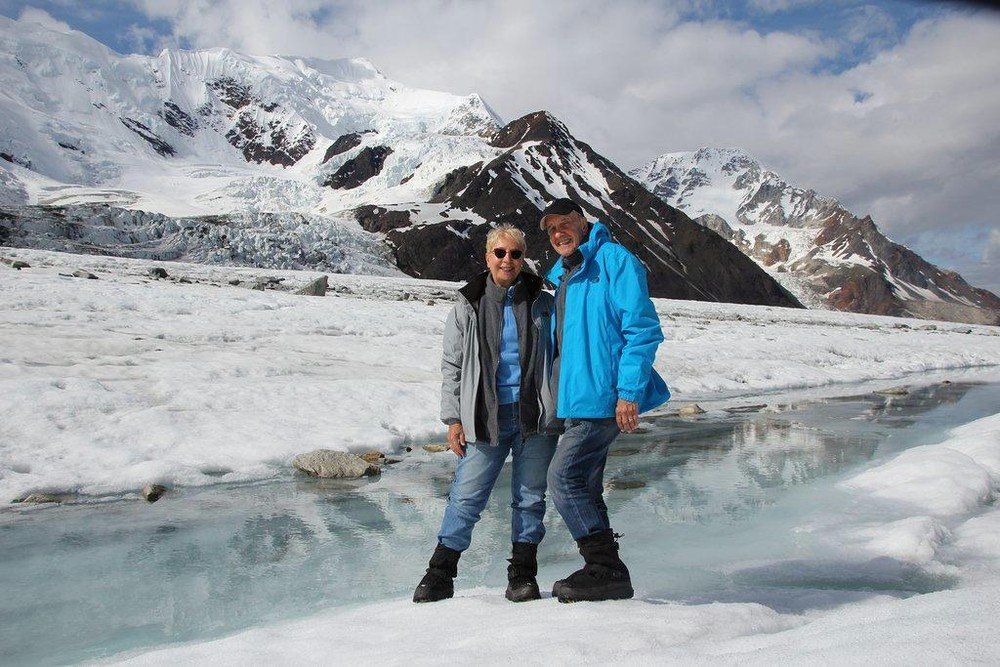
- Warm mid-layer (fleece or light down jacket); the glacier landing environment is cold year-round
- Outer wind/rain layer
- Comfortable pants (no shorts; glacier temperatures even in July can be in the 30s°F)
- Closed-toe shoes (you will step out onto glacier ice on the glacier landing tour)
- Layers that pack down small; cabin space is limited and you’ll want to adjust in flight
- Sunglasses are strongly recommended; glacier glare is intense
Glacier landing specific: The glacier surface is cold and uneven. Closed-toe shoes are required for this tour, and hard-soled shoes with grip hold up better than soft athletic shoes. Guides provide a safety briefing before stepping out. No crampons or special hiking equipment are needed; your own closed-toe shoes are all you need on the glacier.
Rafting Tours
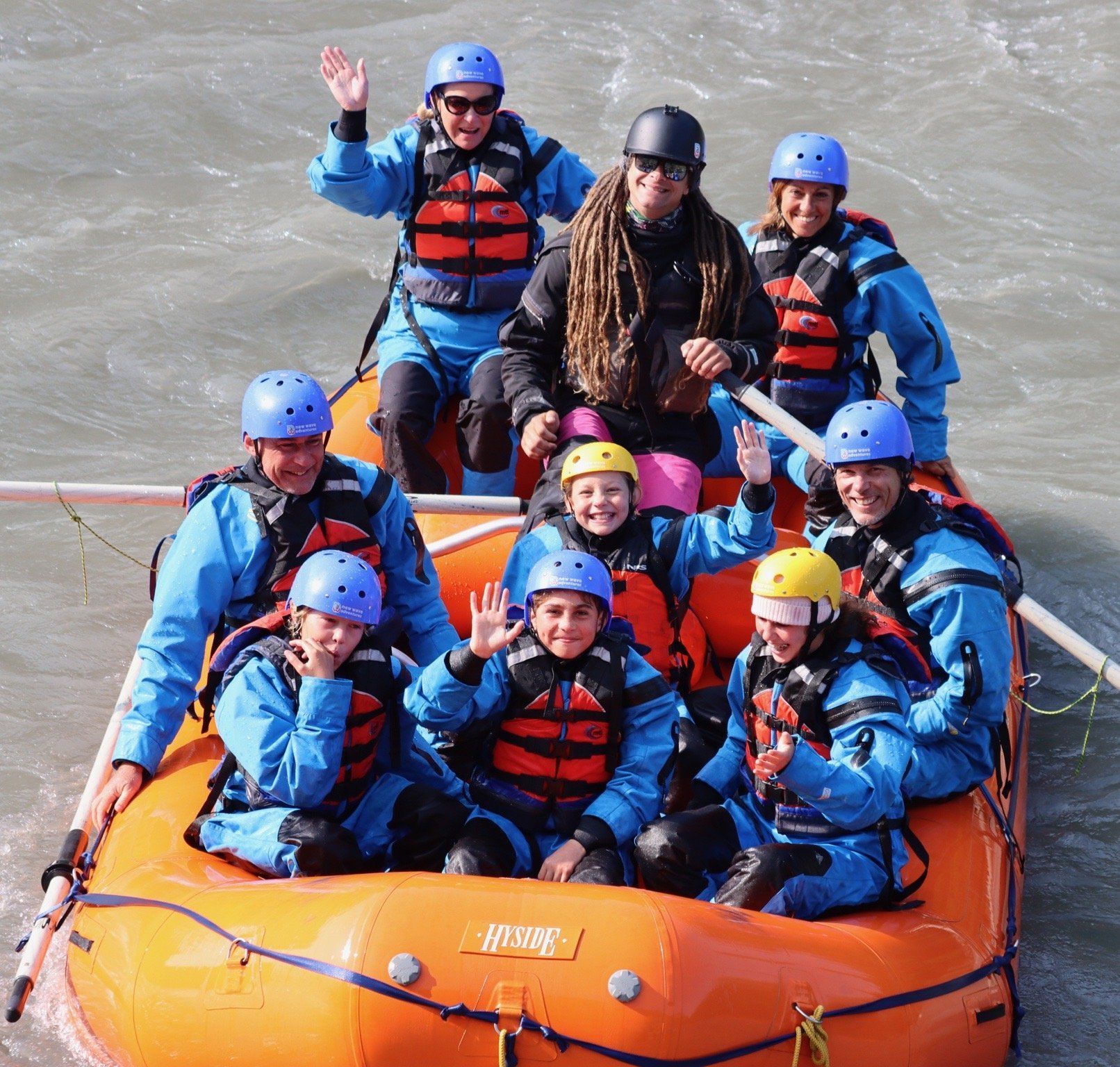
Both rafting options on the Nenana River (the scenic float and the whitewater run) involve time on the water. Getting wet is possible on the whitewater tour even with a dry suit; it is certain on the paddlewheel portions. Dress to get wet, then stay warm afterward.
WHAT TO WEAR
- Wool or synthetic base layers (no cotton; wet cotton is cold and stays cold)
- A Gore-Tex dry suit, neoprene river shoes, life jacket, and helmet are all provided; no wetsuit of your own needed
- Wool socks or synthetic socks (bring a dry pair for after)
- Secure shoes that can get wet, such as athletic shoes with laces (not slip-ons, not sandals)
- A dry change of clothes for after, stored in a dry bag or your vehicle
Leave behind: Cotton base layers, flip-flops, anything you can’t afford to get wet. Leave valuables in the vehicle or secure them in a waterproof pouch.
Guided Hiking Tours
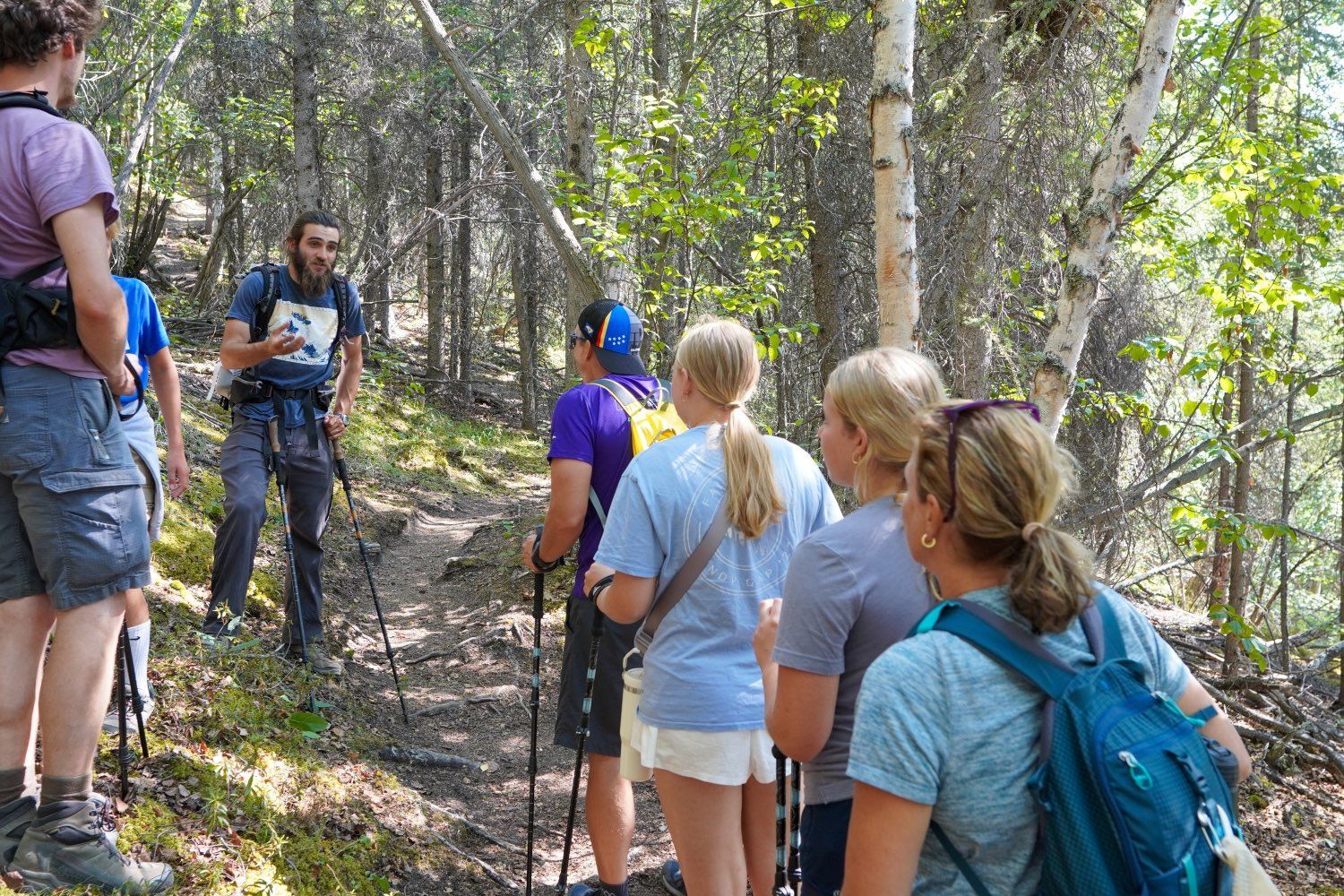
Hiking tours in the Denali area range from easy-moderate naturalist walks (a few miles, relatively flat) to strenuous mountain routes (significant elevation gain, rugged terrain). Gear requirements vary accordingly, but the baseline is the same across all difficulty levels.
WHAT TO WEAR
- Moisture-wicking base layer (synthetic or merino wool, not cotton)
- Warm mid-layer (fleece; it can be cool even on summer mornings at elevation)
- Waterproof outer layer (rain is possible any day)
- Sturdy hiking boots or trail shoes with ankle support, especially for moderate-to-strenuous routes
- Wool or synthetic hiking socks
- Hat and gloves (morning starts can be cold; pack them even if you don’t think you’ll need them)
- Sunscreen and sunglasses
For strenuous routes: Talk to your guide about specific gear expectations when you book. Rain jackets and trekking poles are provided on hiking tours; bring your own hiking boots, long pants, and layers. Higher elevation terrain warrants additional mid-layers beyond the baseline above.
Leave These at Home
A few items that come up often enough to be worth calling out directly:
Cotton base layers
Cotton absorbs moisture and loses its insulating ability when wet. On a cool, rainy day in Denali, a wet cotton t-shirt becomes a problem fast. Merino wool or synthetic fabric stays functional when wet.
Open-toe shoes and sandals
Not appropriate for any guided tour operated through Denali Park Adventures. Every activity involves terrain, equipment, or movement that requires a closed-toe shoe.
Bulky luggage
If your tour involves a vehicle, a plane, or a raft, space is limited. A small daypack with essentials is the right approach. Leave large bags and rolling luggage at the hotel.
The “one outfit for everything” approach
Denali’s weather changes. A single layer that works at 10am may not work by 3pm. Packing even one extra mid-layer takes almost no room and covers a lot of variability.
Going Deeper on Trip Prep
Five ways in — explore by activity, build an itinerary, learn the national park, understand the seasons, or figure out logistics. Browse all five or jump straight to what matters most for your trip.
Full Denali Packing List
This guide covers what to wear for guided tours. If you’re planning a longer Denali trip (multiple days, backcountry time, or self-guided activities alongside guided tours), the full packing guide covers everything in more detail.
Denali in Winter
Visiting Denali in winter is a different category of preparation entirely. Winter-specific gear guidance is covered separately.
Denali Trip Planning Guide
Not sure which tours are right for your group or your fitness level? The trip planning guide walks through every option.
Dressed for It? Pick Your Denali Day
Layers packed and boots ready. All that’s left is choosing the adventure.