

Visiting Denali in Winter
No buses. No crowds. Just open tundra, silence, and fewer crowds, quieter access, winter scenery, northern lights potential, and a very different experience from summer.
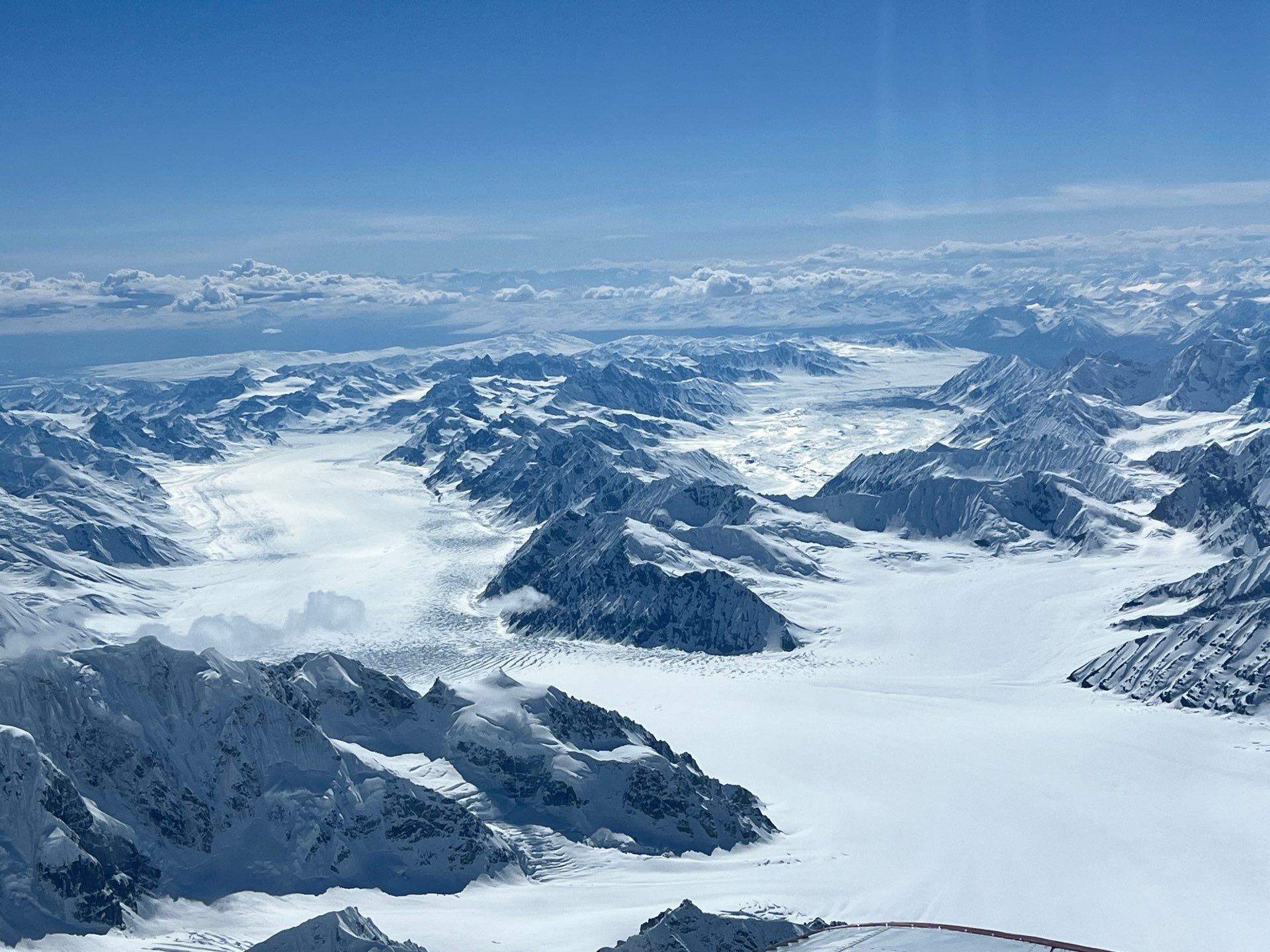
Most visitors experience Denali in summer, but winter offers a quieter, more remote version of the park. Expect fewer crowds, snowy landscapes, limited services, and a slower pace that feels very different from peak season. If you are prepared for cold weather and changing conditions, winter can be one of the most memorable times to visit Denali.
What Denali Is Like in Winter
Summer Denali and winter Denali are two different places. Here's what you're actually walking into.
Temperature
Expect temperatures between 0°F and -20°F on a typical winter day. Wind chill pushes the feels-like temperature lower. January and February are the coldest months. By March and April things moderate. You'll have more comfortable daylight windows and temperatures that don't punish you for stopping to look at something.
Daylight
Denali sits at about 63 degrees north. At the winter solstice you get roughly 3.5 to 4 hours of real daylight. That's a shorter window than you're used to, but the quality of that light, low on the horizon and hitting the snowfields, is unlike anything you'll see in summer. By March you're back to 10 or more hours a day.
Snow and Road Conditions
Snow arrives at lower elevations in October and stays through May. The Parks Highway (AK-3) is maintained year-round, but winter driving conditions are real. Check Alaska 511 before you leave. All-wheel or four-wheel drive with winter tires is the right call, not a precaution.
Northern Lights
Aurora season runs from about September through April. The Denali area has genuinely dark skies and sits far enough north for regular activity. Activity peaks near the equinoxes and during geomagnetic storms. It's never a guarantee. Check the UAF Geophysical Institute forecast before your visit and plan for multiple nights if seeing them matters to you.
Wildlife
Moose are still around and active in winter. Wolves range more widely across larger territories, so sightings require some luck, but the park road area near the entrance sometimes sees wolf pack activity in January and February. Fewer people competing for sightlines is its own kind of advantage.
The Park Itself
The park road is closed to vehicles past the park entrance in winter. That's what removes the summer crowds and bus traffic. The entrance area and first mile of the road stay open. The visitor center operates on limited winter hours, so confirm at nps.gov before you go. What's open is genuinely quiet.
What to Do in Denali in Winter
Summer activities close out by mid-September. Winter has its own list, and it's more than just looking at snow.
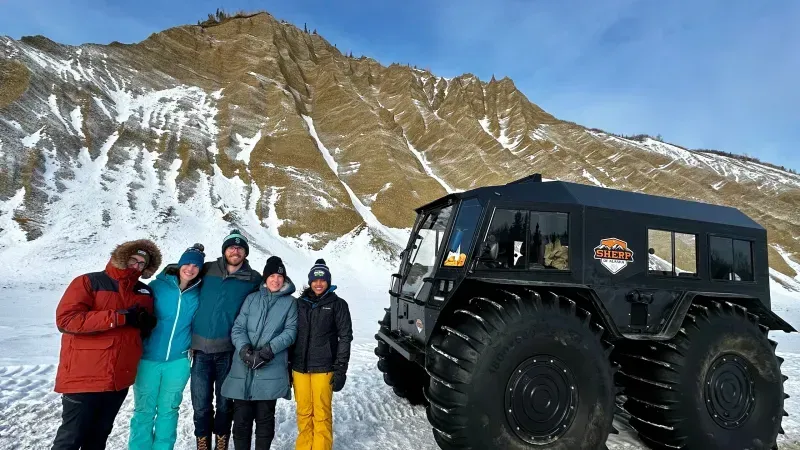
Denali Fat Truck Tours
Fat tire tours get you into terrain that summer visitors can only see from the road. Big tires float on snow where a standard vehicle can't go, which means access to the tundra and backcountry areas that define the Denali experience. This is the winter tour to build your trip around.
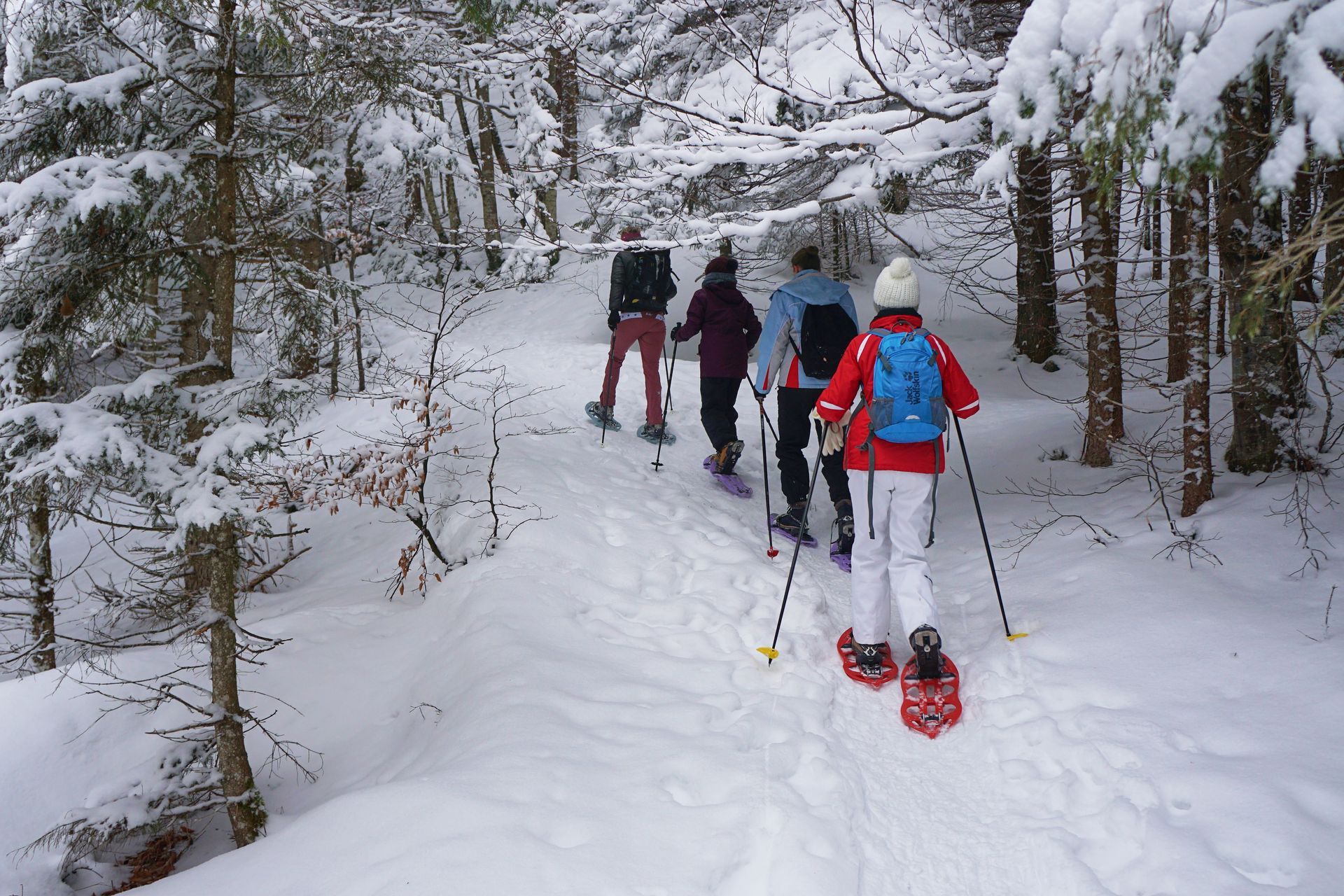
Cross-Country Skiing and Snowshoeing
The national park allows snowshoeing and backcountry skiing throughout the park in winter, with no trails required and very few restrictions on off-trail travel. The area near the park entrance has established cross-country ski trails, a good starting point if you want a defined route before heading into open terrain.
No guide required. Just the right gear and enough daylight to work with.
Northern Lights Viewing
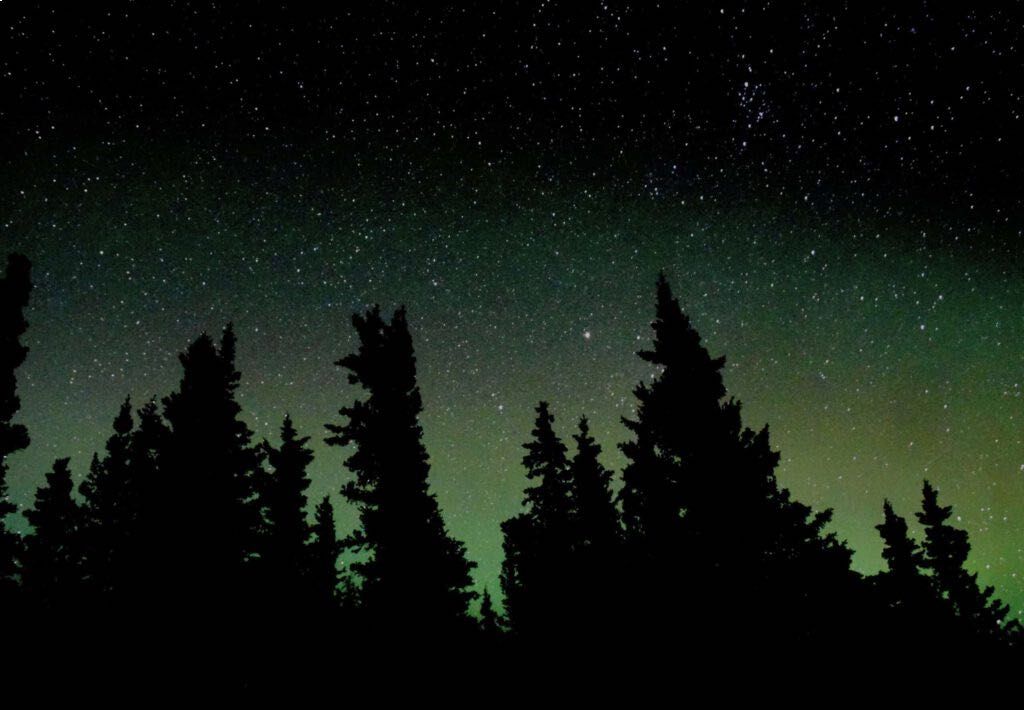
The Denali area is one of the best northern lights locations in North America. Far enough north for consistent aurora activity. Far enough from Anchorage and Fairbanks to have actual dark skies. The stretch of Parks Highway north of the park entrance toward Healy is a popular viewing corridor. Pull off, kill the headlights, and let your eyes adjust. No infrastructure needed.
Best strategy: build in at least two or three nights, check the UAF Geophysical Institute aurora forecast the day you arrive, and treat any sighting as the bonus it is. Chasing a guarantee is the wrong approach. Chasing clear skies is the right one.
NPS Sled Dog Kennel Demonstrations
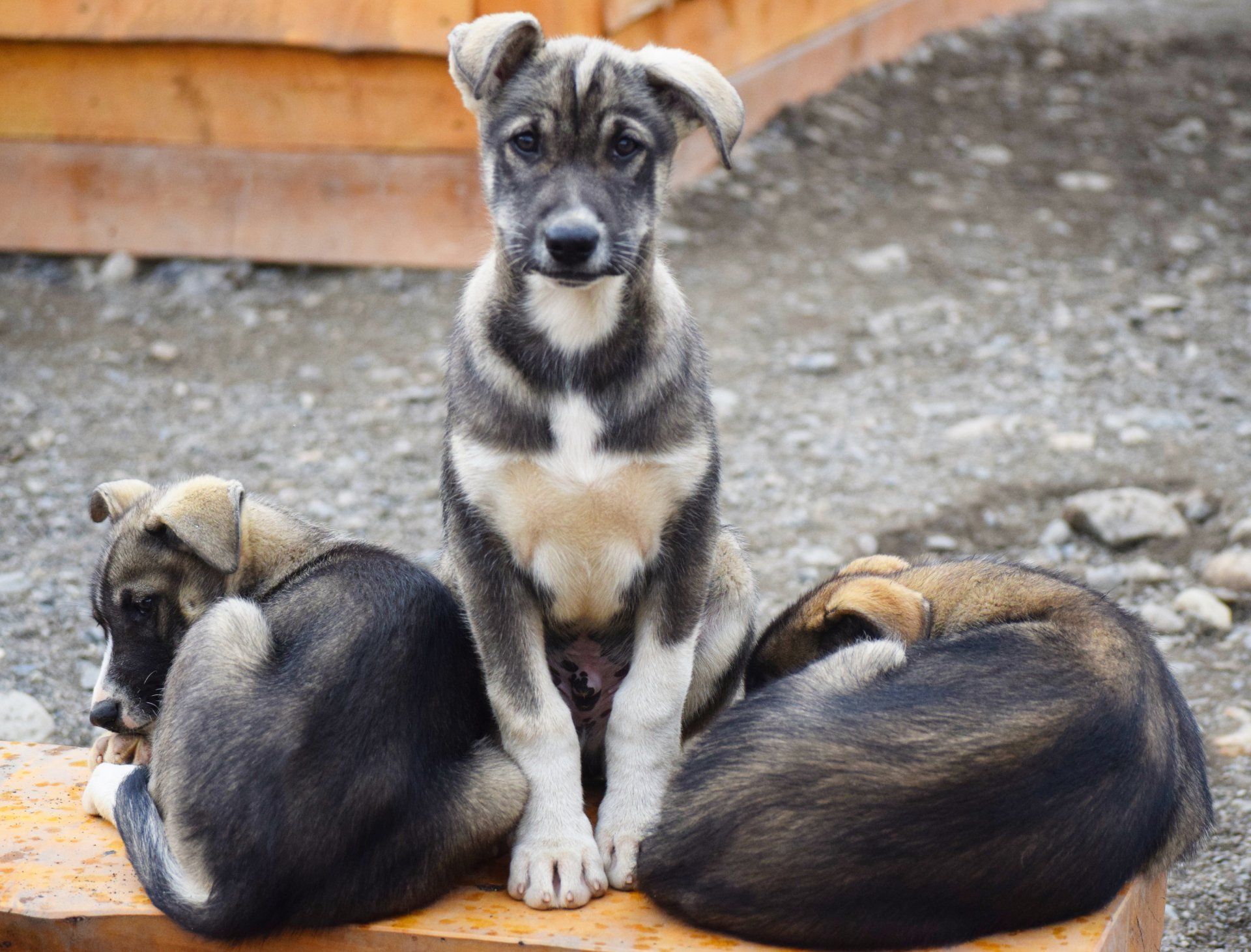
The national park's sled dog kennels at park headquarters run ranger-led demonstrations in winter. The park uses working sled dogs to patrol and access the backcountry in winter, so what you're watching is a real working program, not a staged attraction. Worth checking the schedule if you're planning a trip around the visitor center area.
What to Wear in Denali in Winter
The system that works here is layers. The goal is stay dry and trap warm air. It sounds simple because it is, until you skip a step.
Base Layer
Moisture-wicking wool or synthetic. Not cotton. Cotton absorbs sweat and holds it against your skin, which becomes a cold hazard fast. Merino wool is the standard for a reason: it regulates temperature, wicks moisture, and doesn't smell after a long day.
Mid Layer
Fleece or down insulation. A midweight fleece jacket plus a down puffy gives you flexibility as the temperature swings between inside and outside. The puffy goes on when you stop moving. The fleece works for active stretches.
Outer Shell
Waterproof and windproof, jacket and pants. Wind chill in Denali can drop the apparent temperature well below the actual reading. A good shell keeps the system underneath working even when conditions change quickly.
Hands
Liner gloves inside insulated mittens. Mittens outperform gloves at extreme temperatures because your fingers share warmth. Keep the liners on when you need dexterity (camera, phone, zippers) and pull the mittens back on when you're done.
Feet
Wool socks (not cotton) and insulated waterproof boots rated to at least -20°F. This is where most people underestimate. Cold feet end trips early. Bring a spare pair of wool socks and keep them in your vehicle.
Head and Eyes
A hat that covers your ears is non-negotiable. Add a balaclava or neck gaiter for real wind. Sunglasses or goggles for the eyes. UV reflection off snow is significant even in low winter light, and eye strain is easy to underestimate.

Getting to Denali in Winter
The drive is doable. The train runs on a reduced schedule. The key is knowing what's different in winter before you commit to a plan.
Driving
The Parks Highway (AK-3) is maintained year-round. Winter conditions vary, so check Alaska 511 before you leave. Plan for all-wheel or four-wheel drive with studded or winter tires. Keep your gas tank above half; fuel stations are spread out between Anchorage and the park area.
About 4 hours from Anchorage, 2 hours from Fairbanks.
Alaska Railroad
The Alaska Railroad runs a reduced winter schedule. Schedules change seasonally, so check directly with the railroad before booking anything around a specific train departure.
Flying In
Both Anchorage (ANC) and Fairbanks (FAI) have full winter flight service from most major hubs. Fly into Anchorage if you want the longer scenic drive north. Fly into Fairbanks if you want the shorter approach and a night in a city that's genuinely built for winter.
Winter Visit Questions
Things people want to know before they commit to a winter trip.
Is Denali National Park open in winter?
Yes, the park is open year-round. Most visitor services, including buses, organized tours, and campgrounds, run seasonally from mid-May through mid-September. In winter the park road is closed to vehicles, but the entrance area and first mile of the road stay accessible. The visitor center operates on reduced hours in winter, so check nps.gov for the current schedule before you visit.
Can you actually see the northern lights in Denali?
Yes, when conditions cooperate. The Denali area has dark skies and sits at the right latitude for regular aurora activity from September through April. Clear skies away from light pollution are the main variable. Check the UAF Geophysical Institute aurora forecast before your trip for a same-day prediction. The best plan is multiple nights. That way a cloudy first night doesn't mean you missed it.
What tours are available in winter?
Winter availability varies by season. Check the tours page for what's currently running, or reach out directly and we'll point you to what's open.
How cold does it actually get?
Cold enough that preparation matters. In January, daily highs are typically around 5°F to 10°F with lows well below zero. Wind makes it colder than the number suggests. March and April are more reasonable. Daytime highs can reach 20°F to 30°F and the longer daylight windows make everything more manageable. Dress for the coldest scenario you might see, not the average.
Start Planning Your Winter Visit
Check available tours, build your itinerary, and get the trip details that make a Denali winter trip go smoothly.