
Denali Photography Itinerary
Denali rewards photographers who plan around light, not around the mountain. In June the sun barely sets, stretching golden hour across three to four evening hours. By mid-September, fall color runs the tundra and the Denali Highway while the light turns dramatic again. This itinerary covers which tours give you the best access, when to shoot, and what to bring. Denali Park Adventures books the flightseeing and Jeep tours it is built around.

BEST PHOTOGRAPHY TOURS IN THE DENALI AREA
Which Tours Give Photographers the Best Access
Glacier Landing flightseeing tour
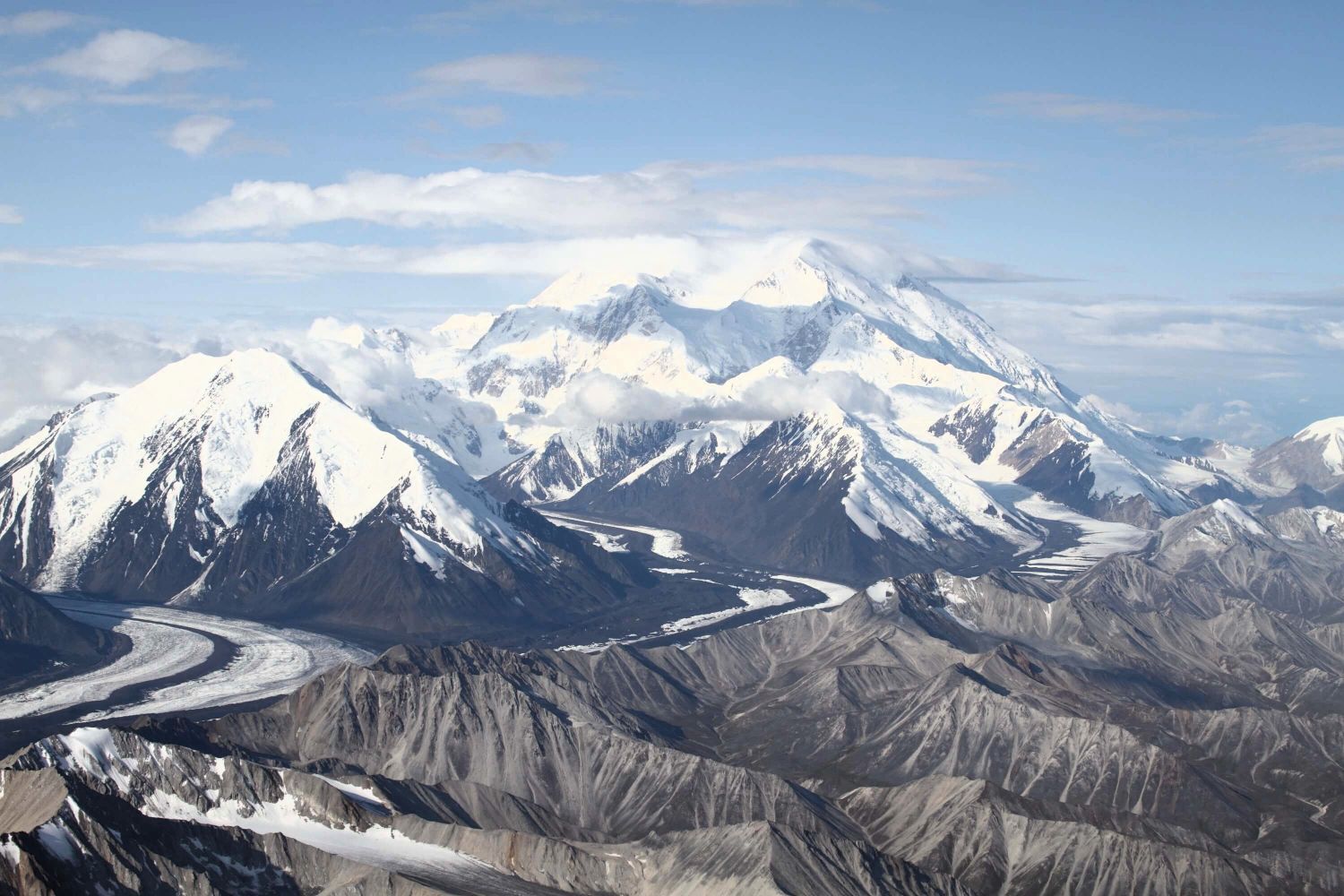
The Glacier Landing flightseeing tour is the single highest-value photography experience in the Denali area. Fixed-wing aircraft at altitude over the Alaska Range gives you angles and scale that no ground-based photography can replicate. The glacier landing itself, walking on the glacier, provides close-range ice photography that most visitors never access. Weather determines every departure.
The key photography moment: the approach over the Ruth Glacier amphitheater, with the Great Gorge below and the Alaska Range walls in every direction.
Camera note: Bring a wide-angle or standard zoom. The scale demands wide-angle. Window glare can be managed by shooting from angles rather than straight through the glass. Ask the pilot about the best shooting position before departure.
Jeep tour
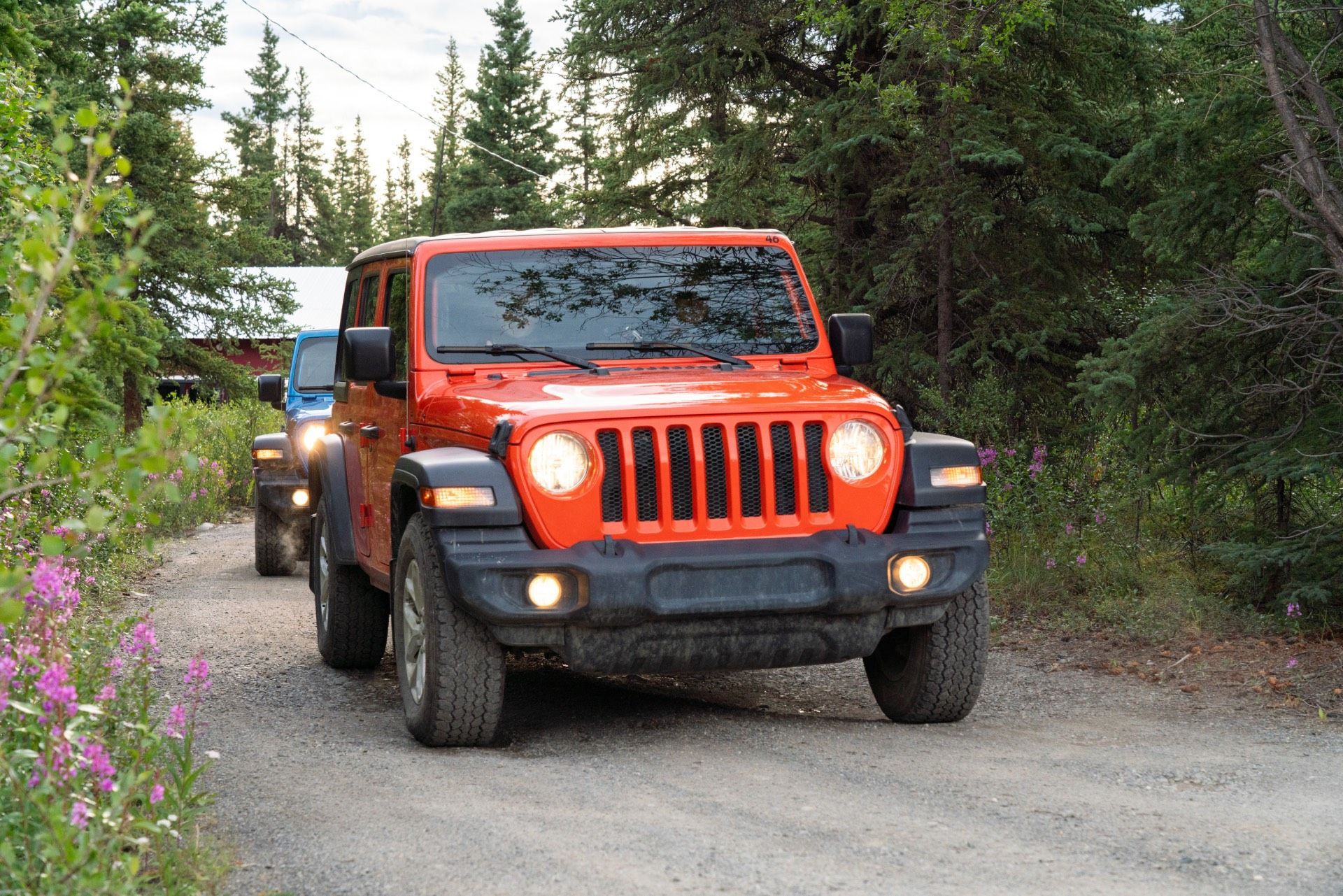
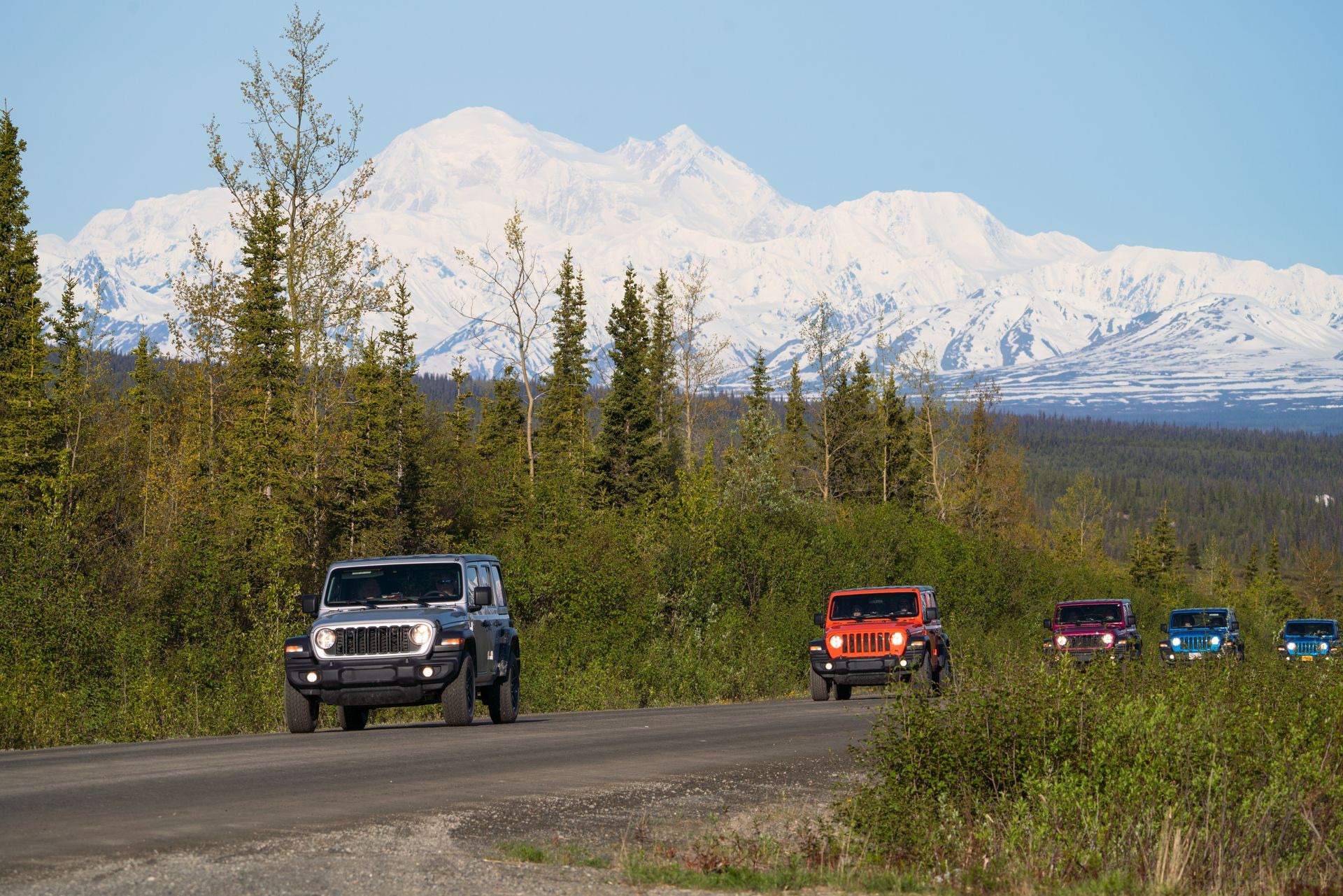
The route it follows was named a "Drive of a Lifetime" by National Geographic Traveler. Open windows throughout, regular stops, and 100 miles of one of Alaska's most visually diverse roads. The Denali Highway runs through tundra, river valleys, boreal forest edges, and mountain views across two ranges.
Best shots: Wide tundra landscapes, Alaska Range horizon shots, river valley bends, fall color (late August–mid September).
Camera note: A versatile zoom (24–105mm range equivalent) covers most of the Jeep tour's shooting situations. A longer telephoto (200–400mm) is useful for any wildlife on the roadside. The open windows eliminate glass glare; bring a lens cloth for dust on longer stops.
PHOTOGRAPHY TIMING AND LIGHT
Light and Timing in Denali
Summer solstice lighting:
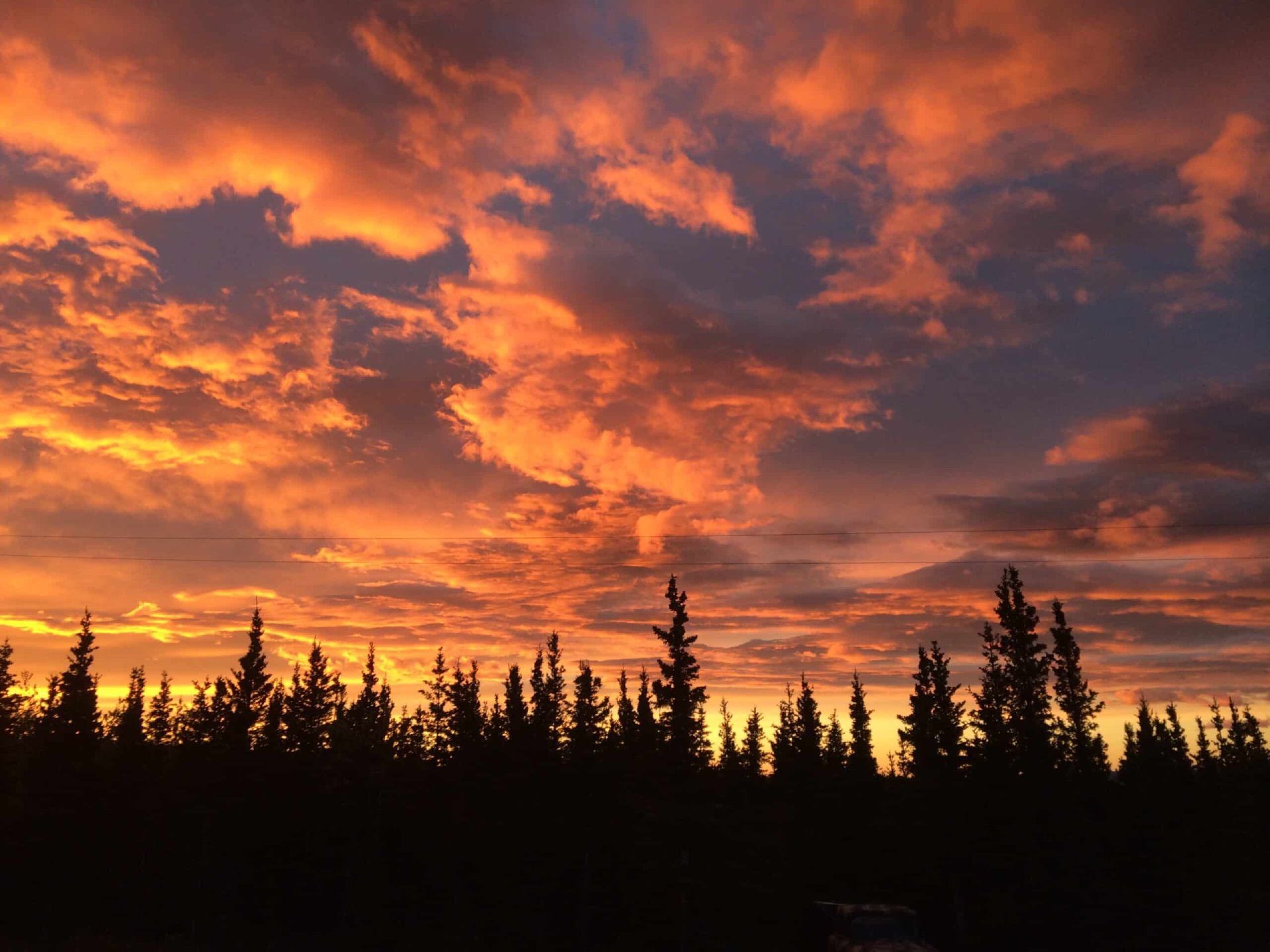
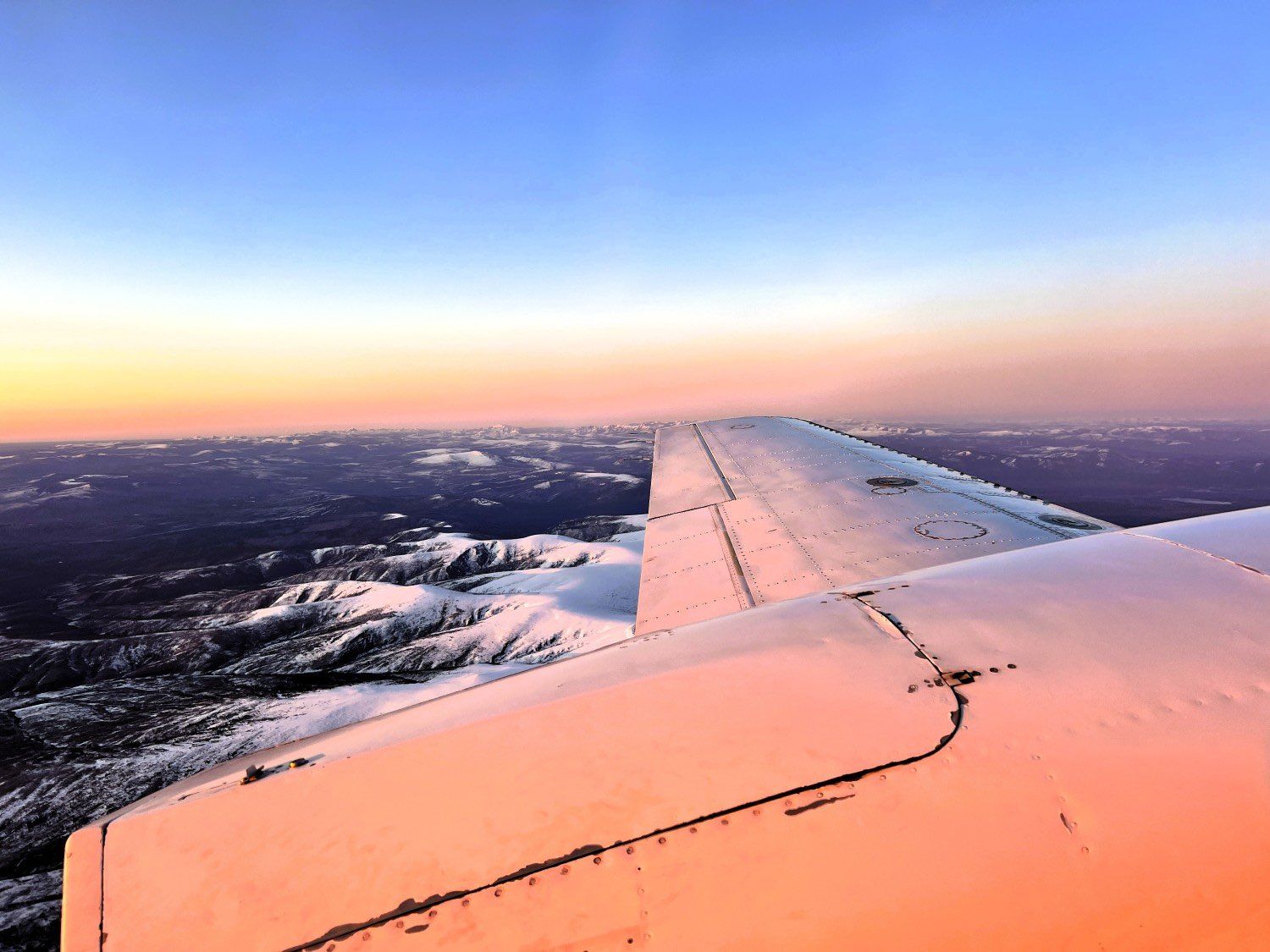
June and early July offer near-continuous light. The sun barely dips below the horizon in mid-June. This creates extended golden-hour conditions that can last 3–4 hours in the evening. Midday light is flat. Shoot in the late evening (9pm–midnight in June) for the most dramatic light.
Shoulder season light:
Late August and September bring genuine sunrises and sunsets again, more contrast, more drama. Fall color on the tundra and the Denali Highway peaks in mid-September. The combination of fall color and dramatic light makes September one of the best photography months of the year in Denali.
Overcast and diffused light:
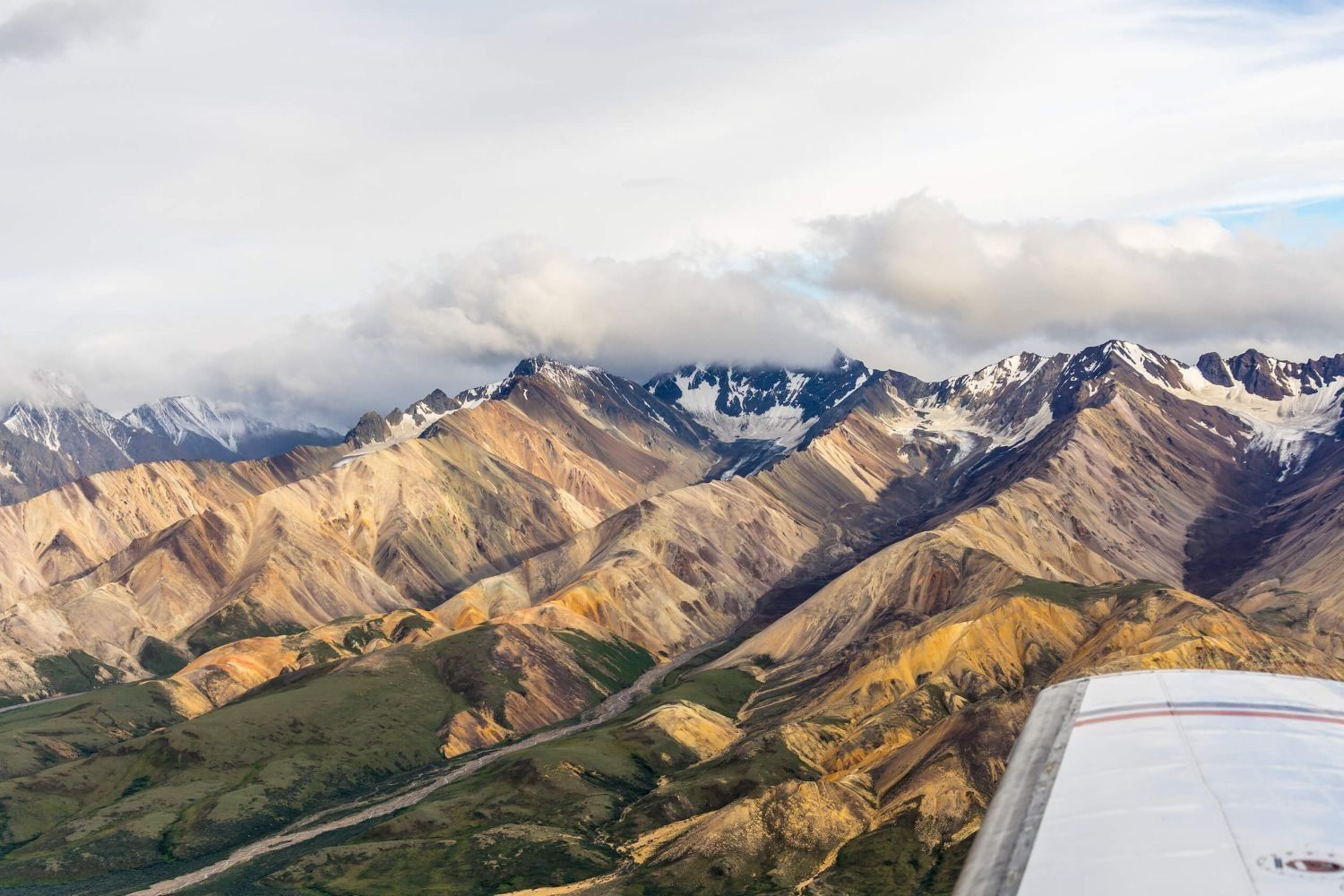
The Alaska Range clouds over regularly, and the diffused light is excellent for close-range subjects (wildlife, plants, glacier texture, river reflections). Don't write off cloudy days. The flat conditions that hide the mountain summit are often ideal for everything else.
The mountain:
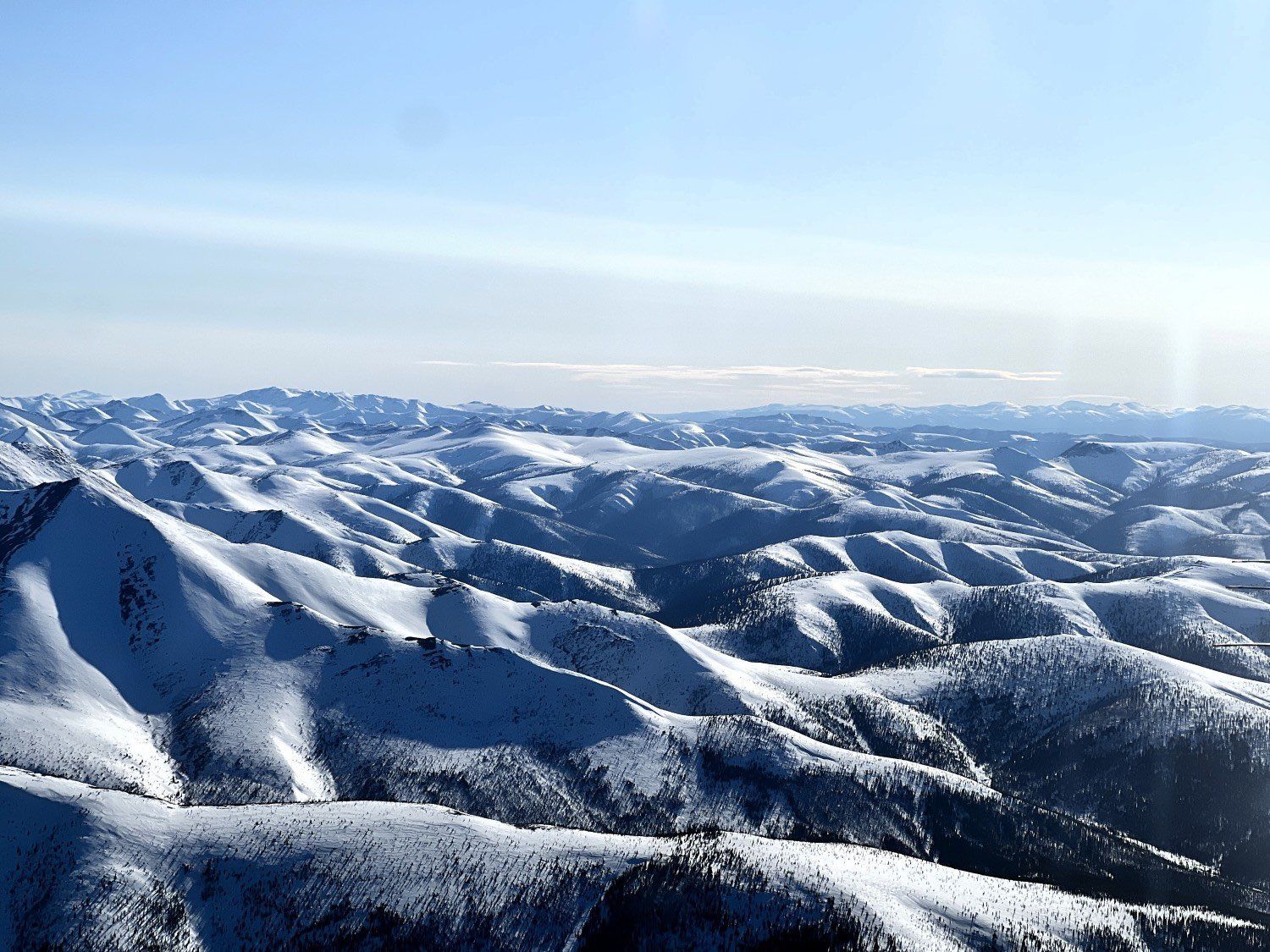
Clear views of Denali's summit are rare. The mountain is obscured most of the time in summer. Guests who see the full summit sometimes call it being in "the 5% Club." Plan the trip for the landscape, not the summit view. Any summit sighting is a bonus. A trip that includes a clear summit view is an extraordinary trip; a trip without one is still extraordinary.
SAMPLE ITINERARY
Two-Day Photography-Focused Itinerary
Day 1: Air and Ground
Morning: Glacier Landing Flightseeing
Book the earliest available departure for the best mountain visibility and morning light. The Alaska Range is often clearer in the morning before afternoon cloud buildup.
Afternoon: ATV Tour
Ground-level backcountry access after the aerial perspective. Vastness from above, texture from the ground: that contrast is part of what makes the visual story of Denali.
Evening (June to July): Late Light Shooting
Drive north of the park entrance area on the Parks Highway toward Healy. Pull off at any viewpoint. The late evening golden hour in June provides some of the best landscape light of the trip.
Day 2: Distance and the Park
Full Day: Denali Highway Jeep Tour
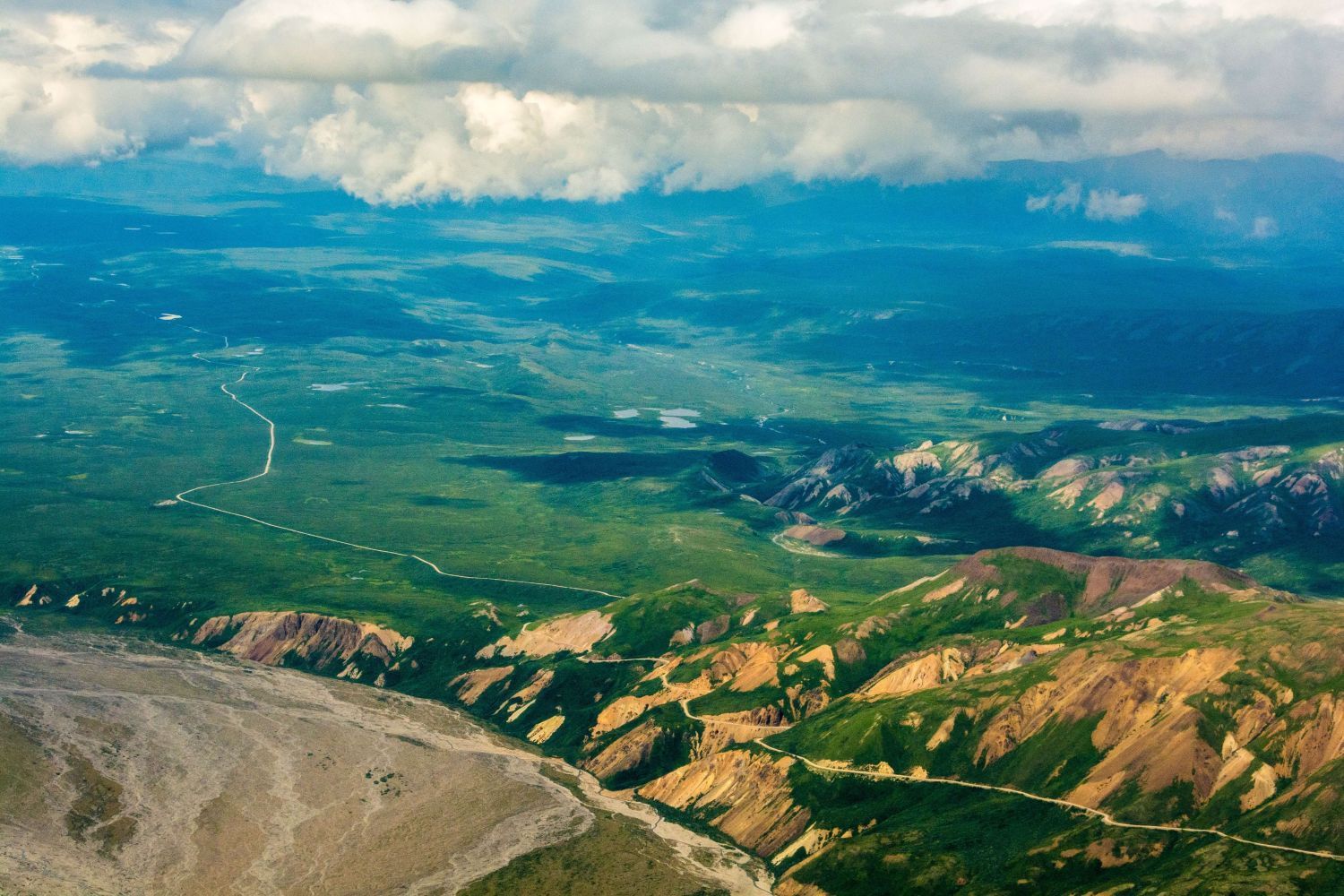
A full day on the Denali Highway is the single best wide-landscape photography experience available in the Denali area. 100 miles, open windows, regular stops, and guides who understand what photographers are looking for.
Between Tours: National Park Self-Drive
Build in the Savage River drive before or after the Jeep tour. Even 90 minutes on the park road significantly expands the wildlife photography opportunities.
Questions Before You Book
Real answers to the questions guests ask most before booking.
What are the best months for photography in Denali?
Late June and September are the strongest months. Late June offers near-continuous golden hour light. September brings fall color (tundra and Denali Highway turn orange and red by mid-September) plus dramatic sky conditions and wildlife behavior. July and August are peak season for tour availability but midday light is flat.
Can I photograph wildlife from the tours?
Yes. The ATV tour includes stops with mountain views and tundra settings. The Jeep tour is specifically designed for photography with open windows and guide-directed stops. Wildlife sightings on the park road self-drive are common. The flightseeing tour provides aerial photography opportunities that ground-based touring cannot replicate.
How do I photograph the northern lights from Denali?
Northern lights viewing is a shoulder-season and winter activity (September–April). Location: north of the park entrance toward Healy, away from hotel and resort lights. Equipment: wide-angle lens, f/2.8 or wider preferred, ISO 800–3200, 10–25 second exposures depending on aurora brightness. Check the UAF Geophysical Institute aurora forecast the evening of your shoot.
Book Your Photography Trip
The best light is a short season. Pick your tour and reserve your spot today.